

roofing problems
roofing company
for your place
Welcome to HomeRoofer! Take a Look Around!
Looking for the best roofing company?
Welcome to HomeRoofer! Take a Look Around!
Looking for the best roofing company?
Trust the Experts for All Your Roofing Needs
We are the most trusted roofing company
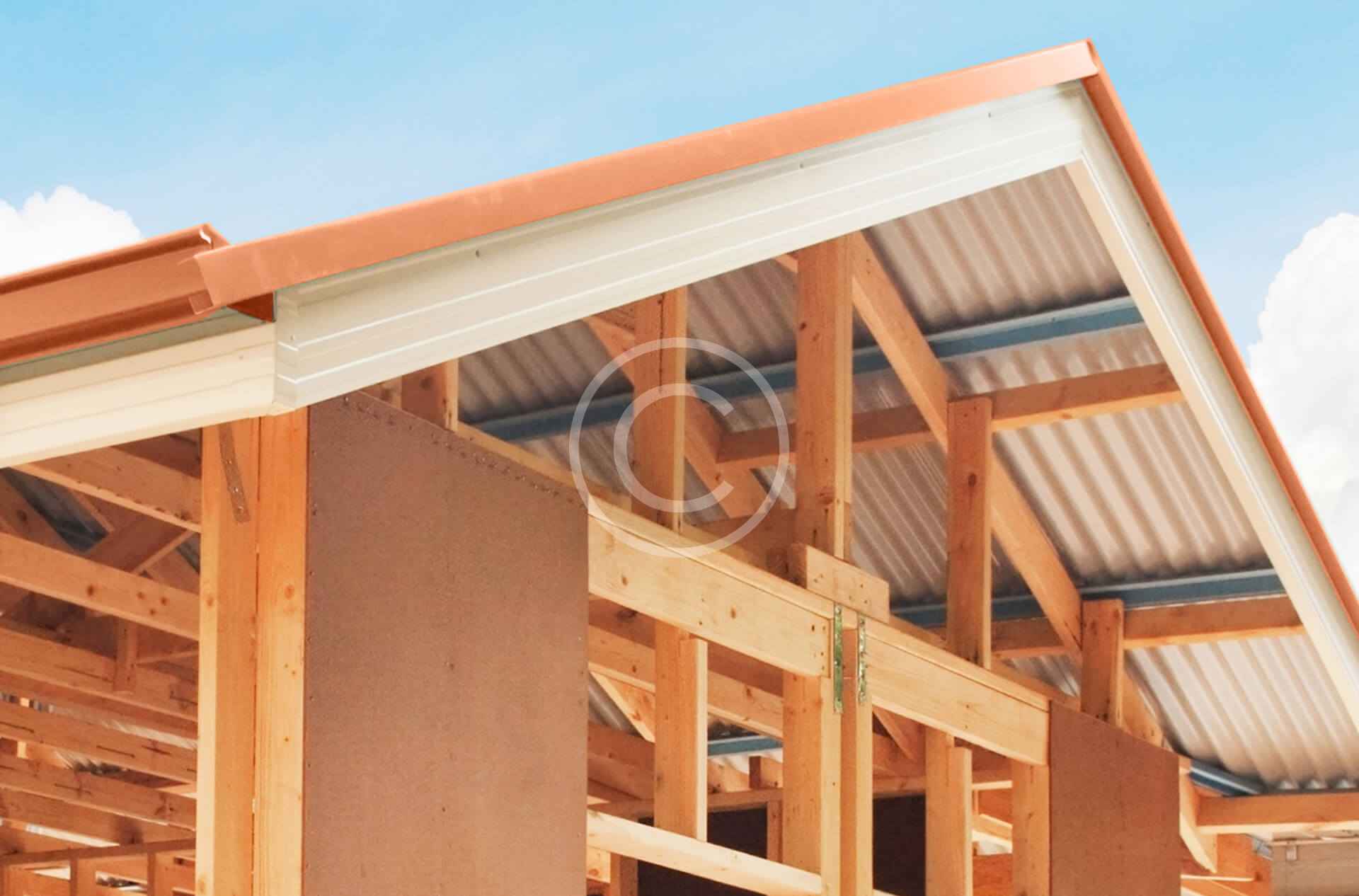
The MRC Roofing family is dedicated to serving your needs in a timely manner, emphasising on quality and service
excellence.
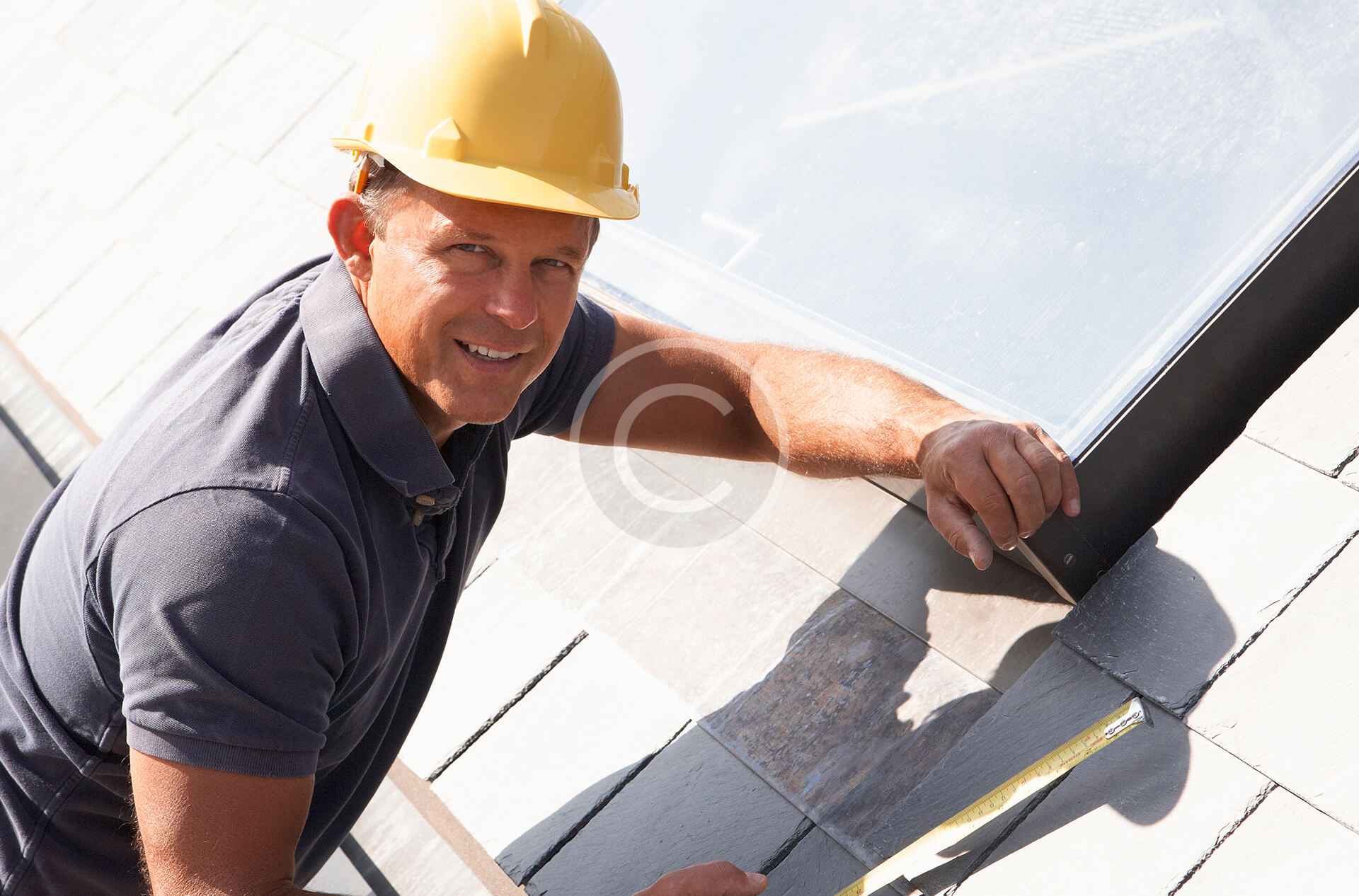
A building’s roof is its first barrier against adverse weather. Keeping your roof in excellent shape protects your building from water intrusion.
Get a Free Quote
A full-service roofing company
It Was a Great Experience!
“I had a wonderful experience with this roofing contractor! They came on time and installed a new roof faster than we had been told it would take. The promotional offer was just fine and our budget was enough for a quality roof.”
It Was a Great Experience!
“I had a wonderful experience with this roofing contractor! They came on time and installed a new roof faster than we had been told it would take. The promotional offer was just fine and our budget was enough for a quality roof.”
It Was a Great Experience!
“I had a wonderful experience with this roofing contractor! They came on time and installed a new roof faster than we had been told it would take. The promotional offer was just fine and our budget was enough for a quality roof.”
We Stand Under Our Roofs!
View Our Recent Projects
We Are the Most Trusted Roofing Company
Why people choose us
- Fully licensed, bonded and insured with industry leading manufacturer warranties.
- The best customer service in the business, no joke! Check it out by yourself right now.
- Fantastic financing options including low interest and zero-down offers.
- The highest quality products and certified roofing technicians on every project.
We Are the Most Trusted Roofing Company
Why people choose us
- Fully licensed, bonded and insured with industry leading manufacturer warranties.
- The best customer service in the business, no joke! Check it out by yourself right now.
- Fantastic financing options including low interest and zero-down offers.
- The highest quality products and certified roofing technicians on every project.
We Are the Most Trusted Roofing Company
Why people choose us
- Fully licensed, bonded and insured with industry leading manufacturer warranties.
- The best customer service in the business, no joke! Check it out by yourself right now.
- Fantastic financing options including low interest and zero-down offers.
- The highest quality products and certified roofing technicians on every project.
We Are the Most Trusted Roofing Company
Why people choose us
- Fully licensed, bonded and insured with industry leading manufacturer warranties.
- The best customer service in the business, no joke! Check it out by yourself right now.
- Fantastic financing options including low interest and zero-down offers.
- The highest quality products and certified roofing technicians on every project.
Roofing Plans
Choose the service you need
$69per square $109per square
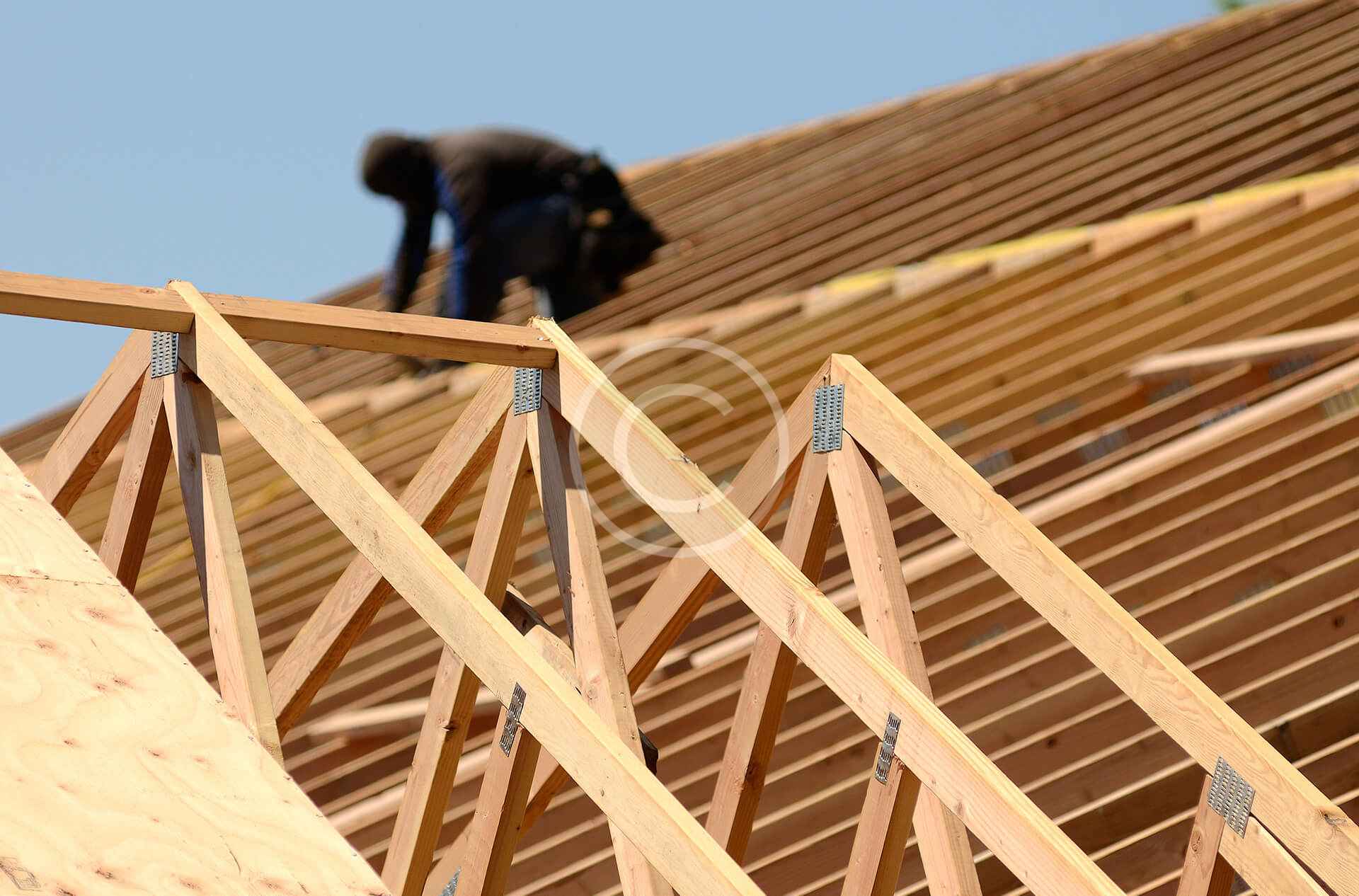 $79per square