Residential
Attics & roof decks
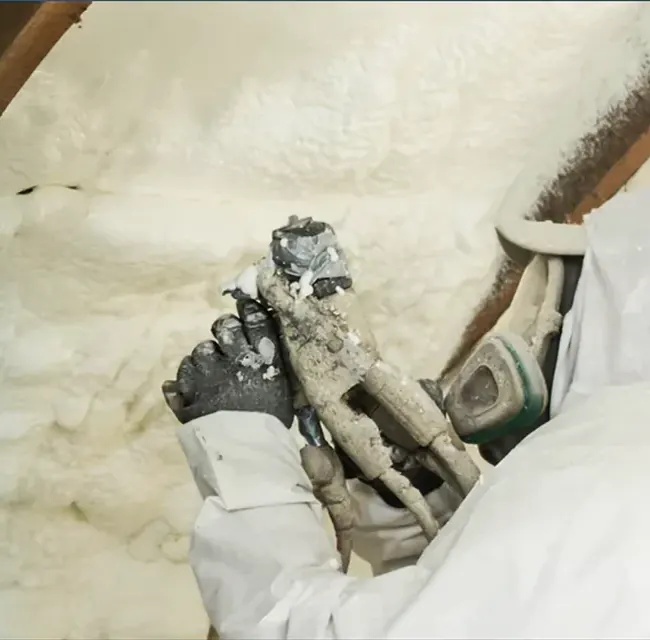
Move the insulation to the roof deck and the attic joins the house — ducts and air handlers stop working in a 130°F oven.
Open- or closed-cell at the roof deck
Spray foam insulation, explained
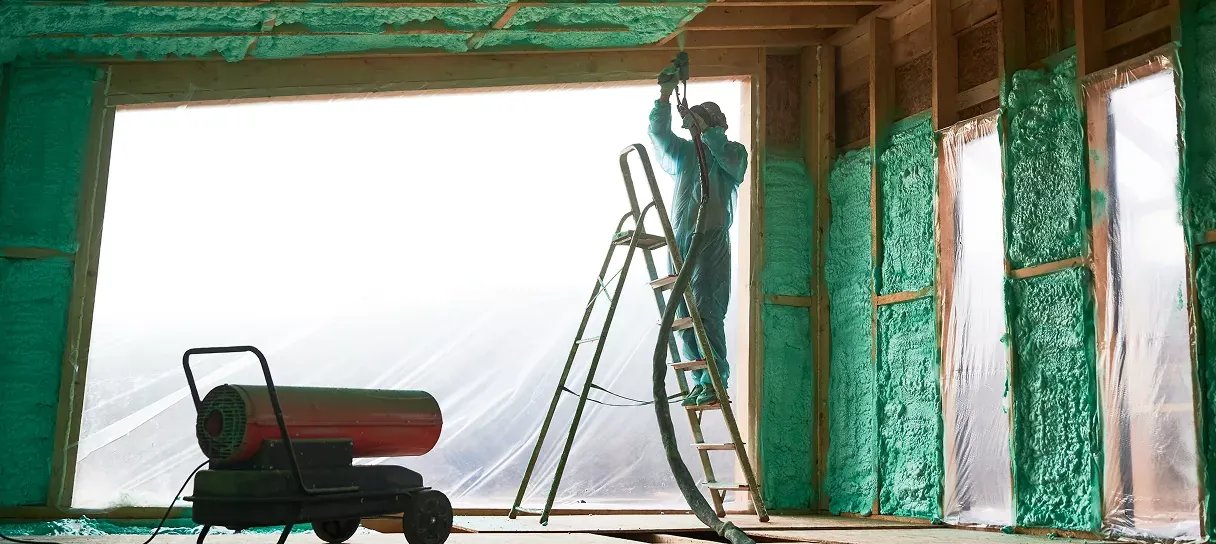
Guides, calculators and real answers on foam insulation for attics, walls, crawl spaces, metal buildings, barns and roofs — with a direct line to the team that makes the foam.
Metal buildings & shops
No more
dripping roofs.
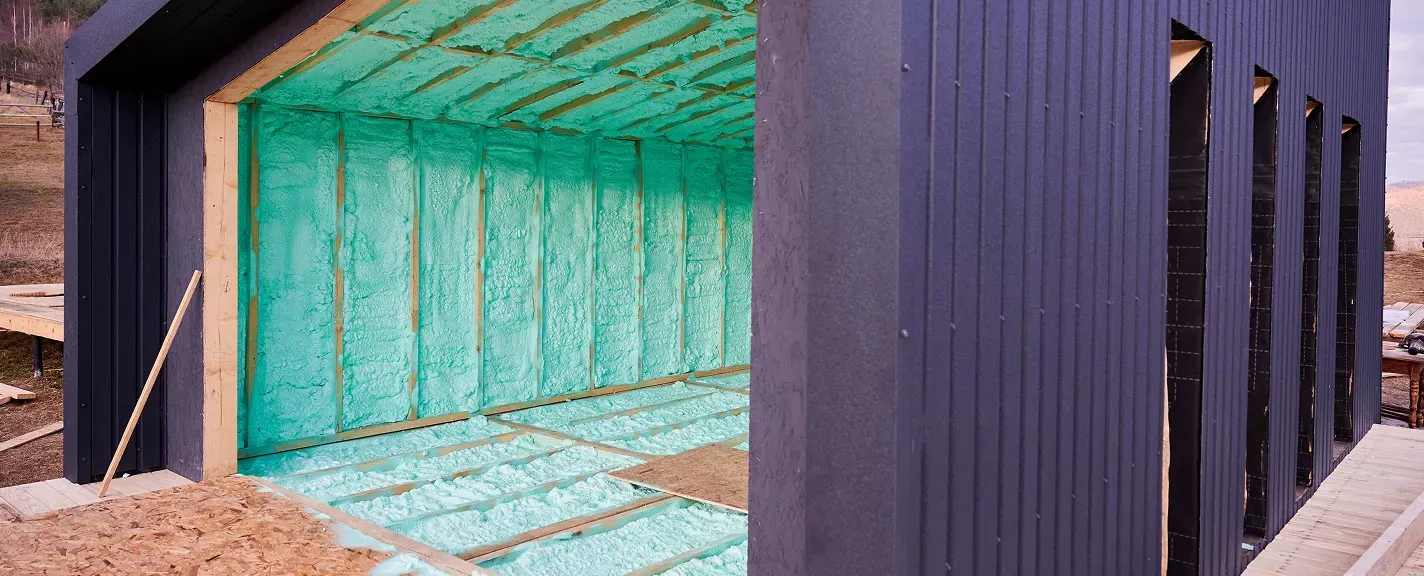
Closed-cell foam bonds to the steel, so warm, humid air never meets a cold panel. Condensation stops where it starts.
Walls that work harder
Stops the air,
not just the heat.
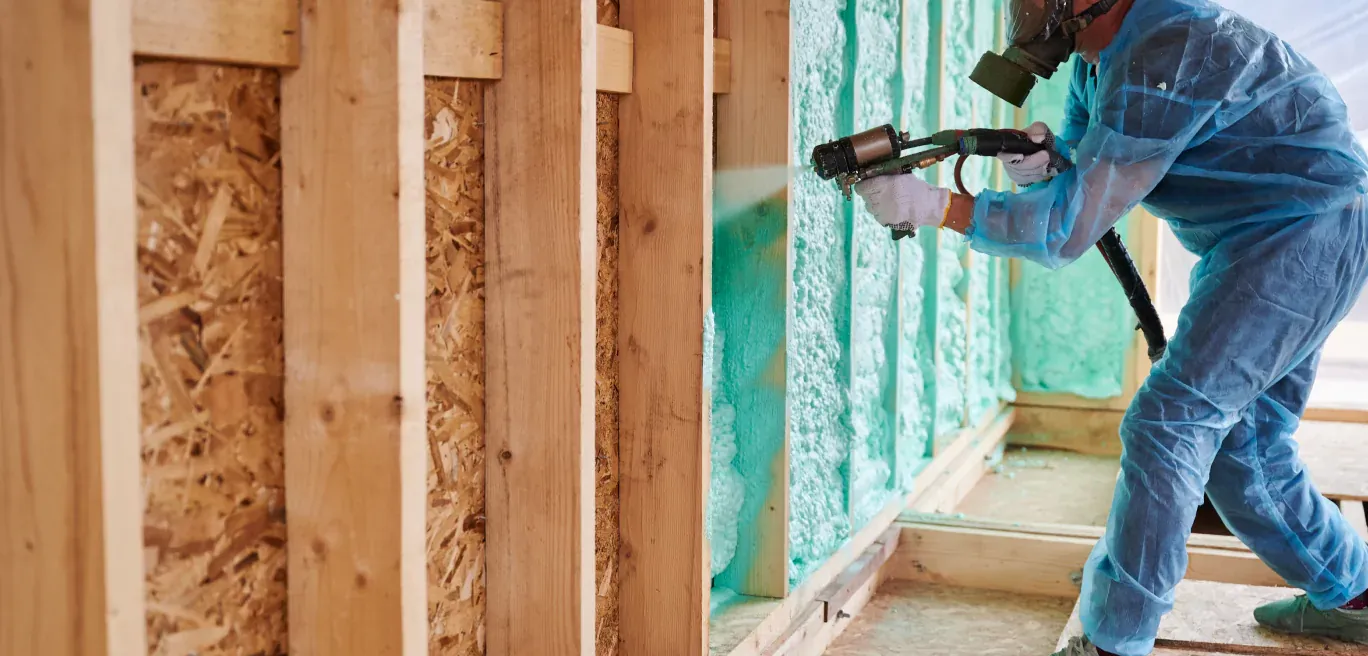
Foam expands to fill every gap, seam and penetration in the bay — the leaks batts leave behind.
The business of foam
Build a spray
foam business.
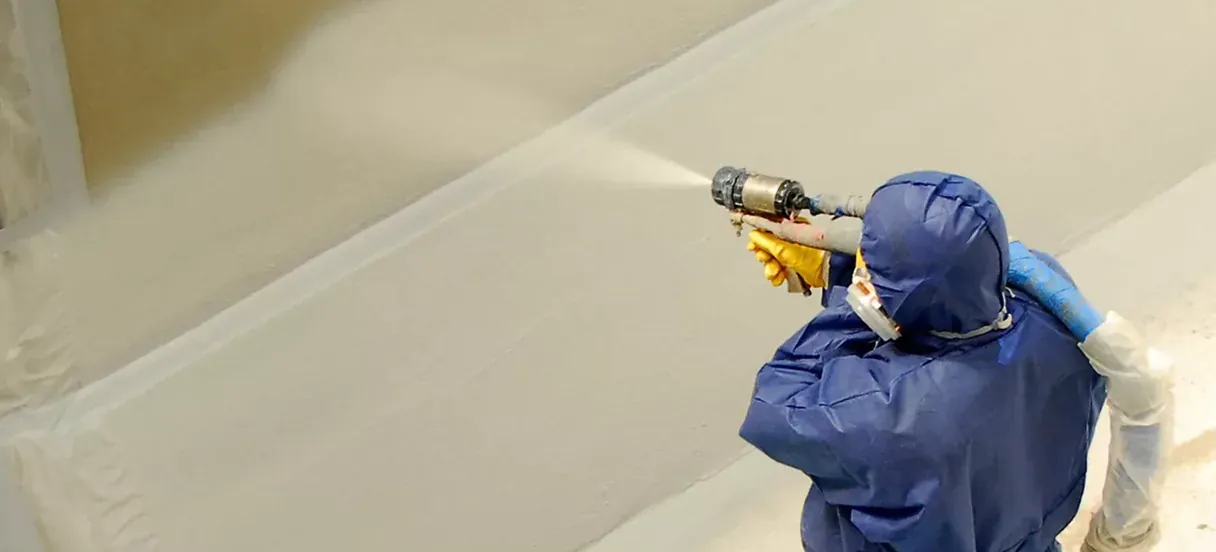
Custom rigs, ArmorFoam material and hands-on training to certification — no franchise fee, no royalty.
Why foam
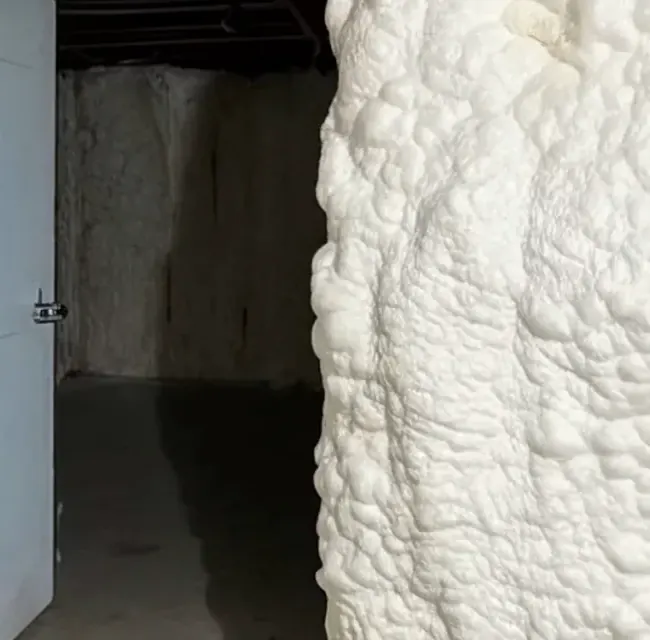
Most insulation only slows heat. Spray foam also stops the air that carries it — expanding into every gap, seam and penetration to form one continuous layer that fits the building, instead of asking the building to fit the insulation.
Applications
Move the insulation to the roof deck and the attic joins the house — ducts and air handlers stop working in a 130°F oven.
Open- or closed-cell at the roof deck
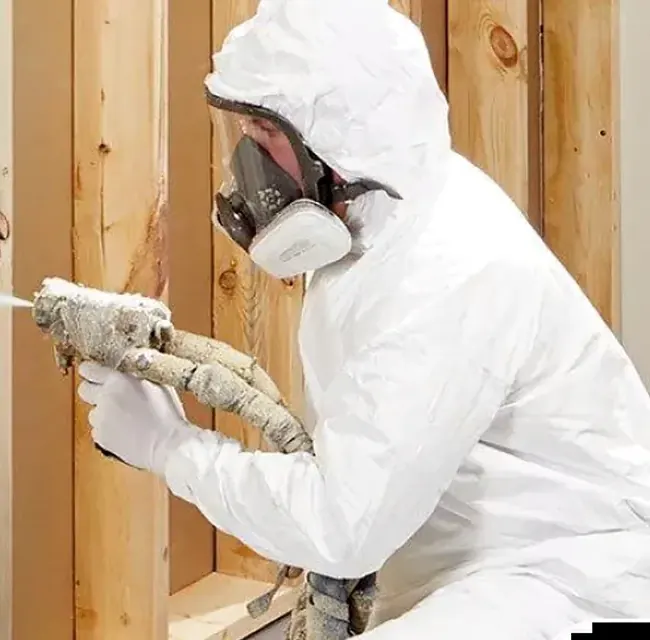
Foam fills every stud bay edge to edge, around wiring and boxes, so the wall stops air as well as heat.
Open-cell for value, closed-cell for max R per inch
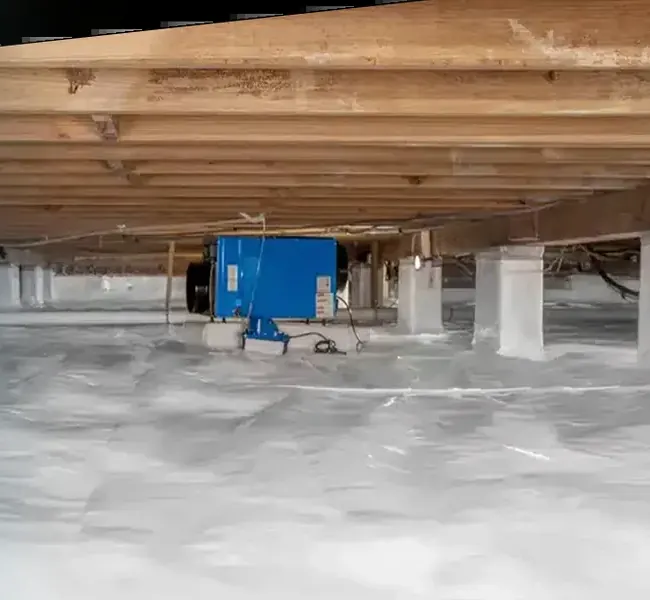
The leakiest square feet in most houses. Closed-cell on the rim joist and walls turns a damp crawl space into conditioned space.
Closed-cell
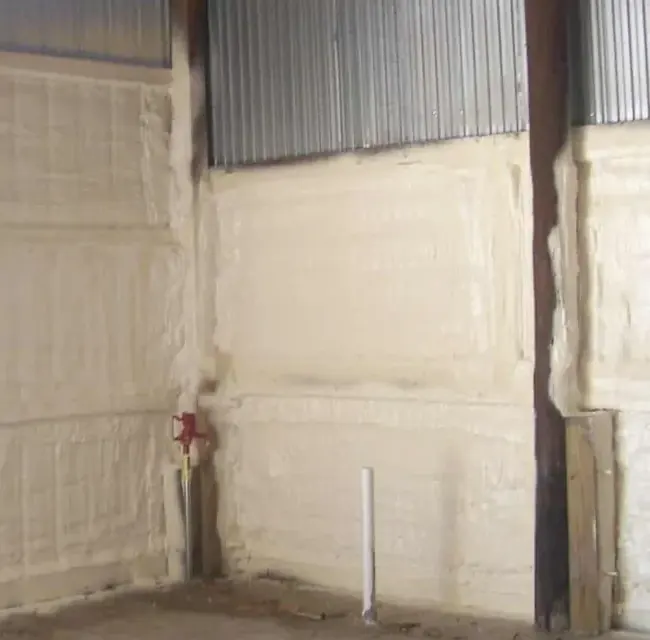
Closed-cell foam bonds straight to the steel, so warm, humid air never touches a cold panel — no more dripping roofs.
Closed-cell
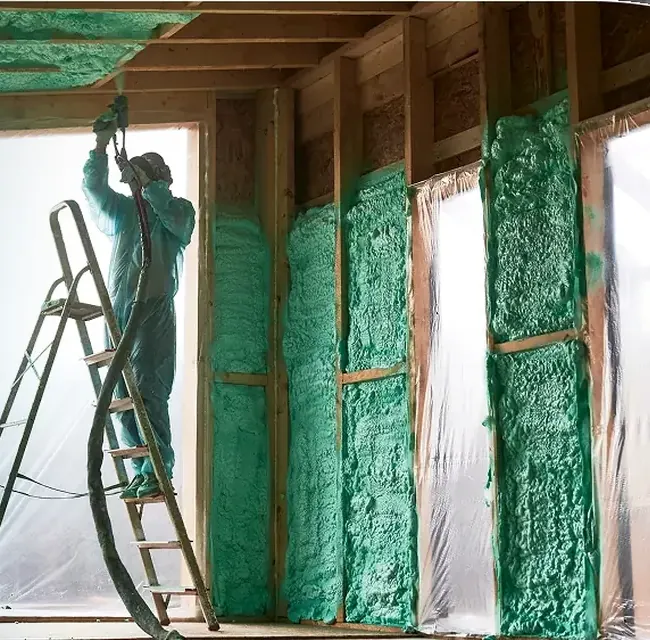
Shops, livestock barns and equipment buildings get an air seal and a tougher, cleanable surface in a single pass.
Closed-cell, often with a protective coating
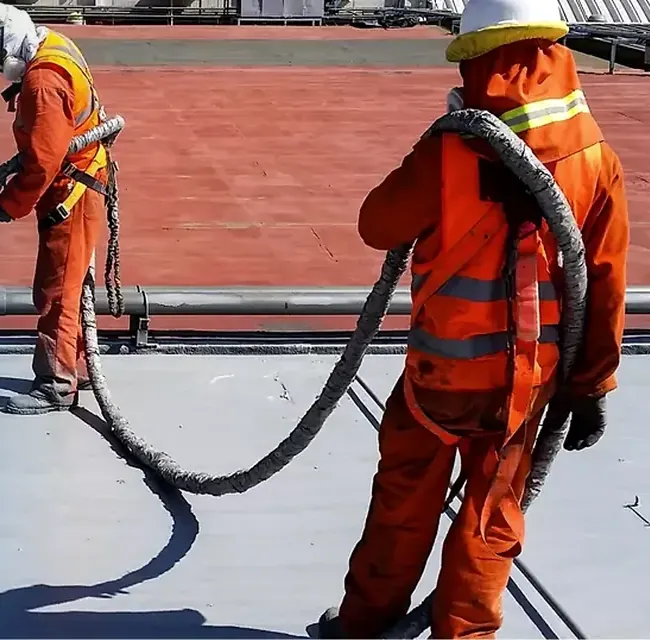
Sprayed directly over the old roof, high-density foam builds a seamless, renewable roof with insulation built in.
High-density roofing foam + elastomeric topcoat
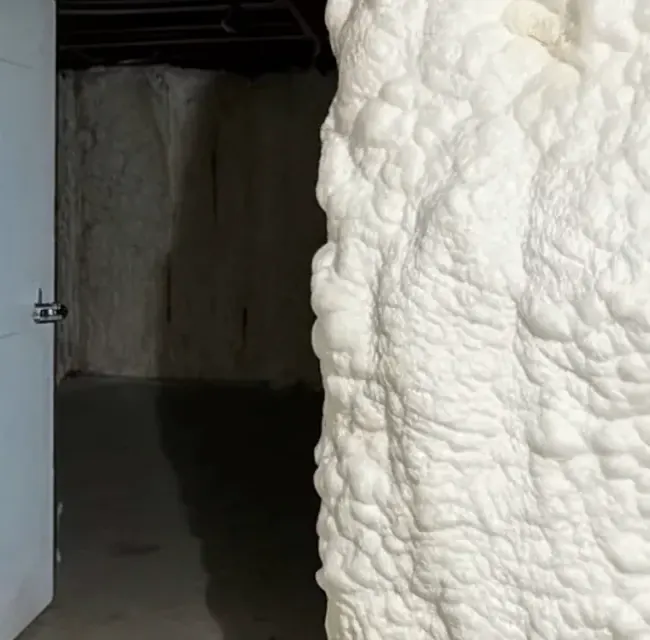
Below grade, foam has to handle moisture. Closed-cell insulates, air seals and slows vapor on concrete and block.
Closed-cell
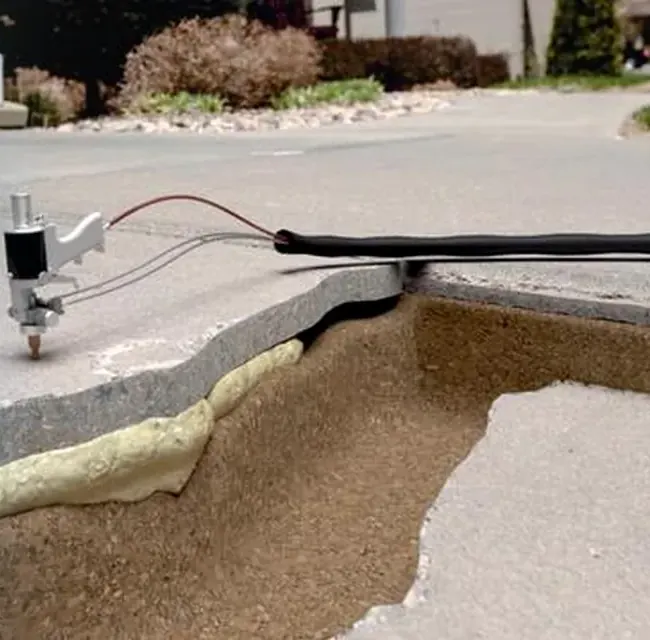
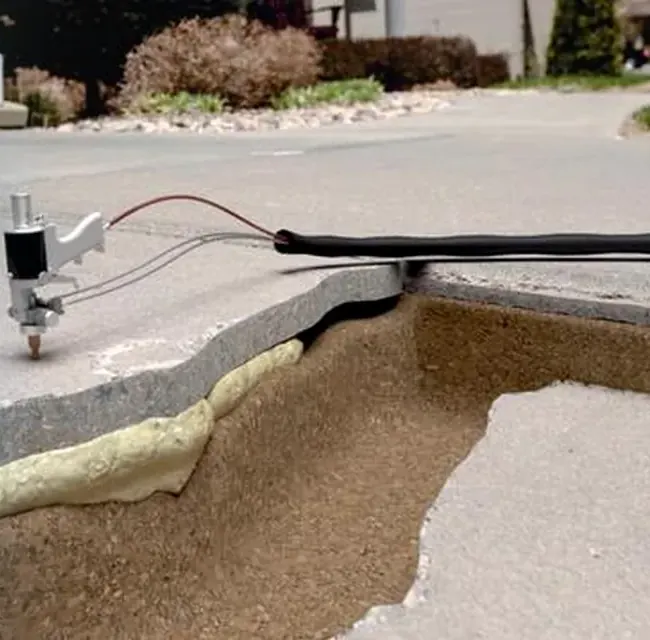
Expanding polyurethane injected through dime-sized holes raises and stabilizes sunken slabs without replacing them.
Lifting foam
15%
Average heating & cooling savings from air sealing and insulating attics, crawl-space floors and basements (EPA / ENERGY STAR)
R-6–7
Typical R-value per inch of 2 lb closed-cell spray foam — roughly double a fiberglass batt
9/10
U.S. homes that are under-insulated, according to ENERGY STAR
1989
Year ArmorThane started making coatings — today it also makes ArmorFoam and builds spray rigs
Interactive guide
Tap a part of the building to see which foam fits and why.
Open- or closed-cell
Sprayed to the underside of the roof sheathing, foam creates an unvented ("conditioned") attic. Ducts and equipment up there now sit inside the thermal envelope. Code sets minimum air-impermeable R-values by climate zone to keep the deck above its dew point.
Read the guideOpen-cell or closed-cell
Foam seals the leaks batts leave behind — top plates, outlets, penetrations. Closed-cell gives the most R in a 2x4 wall and stiffens it; open-cell fills deep 2x6 bays economically.
Read the guideClosed-cell
Where the house sits on the foundation, dozens of feet of seams leak air. Two to three inches of closed-cell is one of the highest-payback details in a home.
Read the guideClosed-cell
Insulate and seal the walls (not the floor above) and pair it with a ground vapor retarder. The crawl space becomes part of the conditioned house.
Read the guideClosed-cell
Below grade, foam must tolerate moisture. Closed-cell bonds to concrete and block, insulates and slows vapor without trapping a cold, wet cavity.
Read the guideClosed-cell
Bonded directly to steel panels, closed-cell foam keeps warm, humid air off cold metal — the cause of dripping condensation — and adds rigidity to the skin.
Read the guideLifting foam
Polyurethane injected beneath a settled driveway, walk or floor slab fills voids and lifts it back to grade in hours.
Read the guideCalculator
Pick a target R-value and a framing depth. See how many inches each insulation takes — and whether it fits.
Target R-value
Framing depth
Code check (2021 IECC ceiling, prescriptive)
Typical per-inch values for comparison only. Always design to the product's tested R-value and your local code; unvented attics and spray foam assemblies may also comply through other code paths.
Foam types
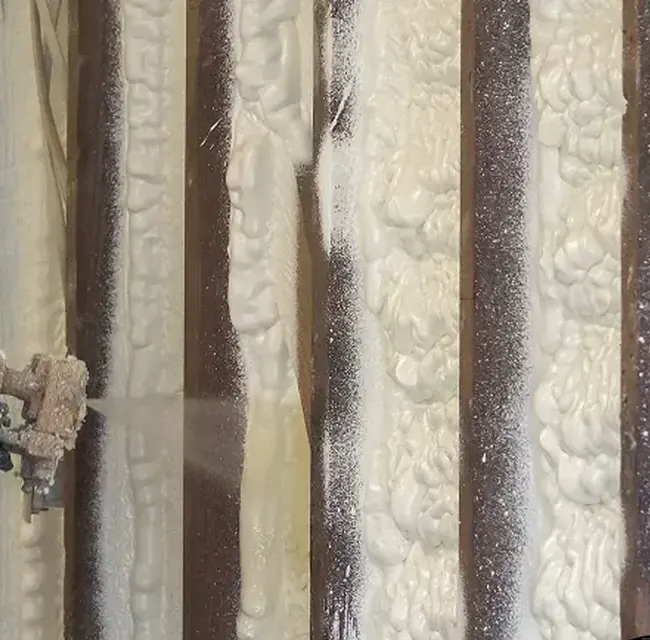
Soft, expansive and vapor-open. Fills big cavities fast and dampens sound. The value pick for interior walls, attic roof decks in many climates and sound control.
Product details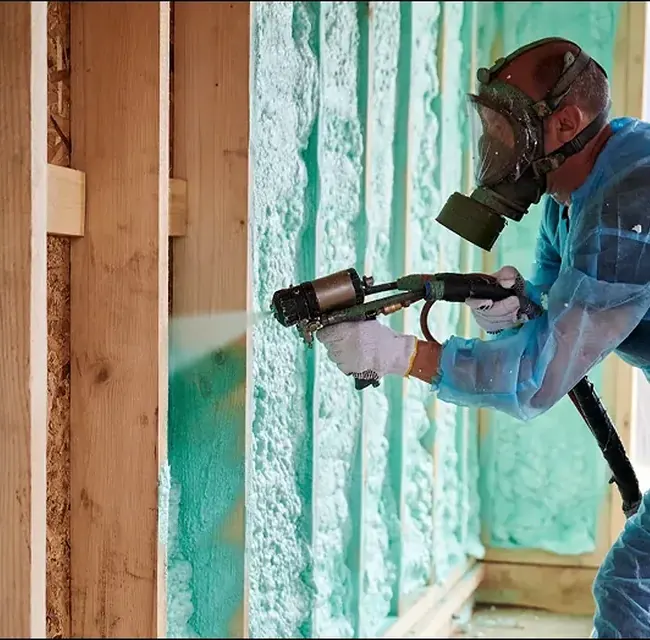
Dense and rigid. The highest R per inch, a vapor retarder at around 1.5–2 inches, and it adds racking strength. The pick for metal buildings, crawl spaces, basements and tight cavities.
Product detailsCompressive strength to walk on. Sprayed over existing roofs and sealed with an elastomeric coating, or used structurally where loads demand it.
Product details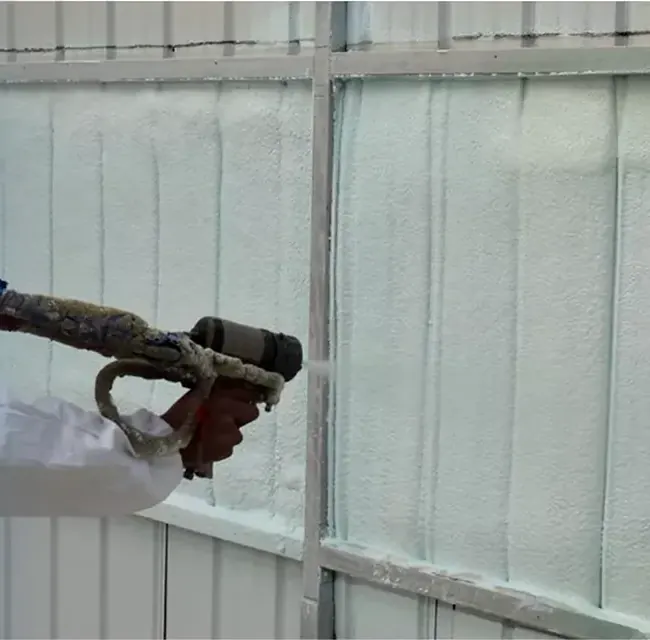
Mixed and poured or injected into enclosed spaces — boat flotation, void fill, and retrofits where walls stay closed.
Product details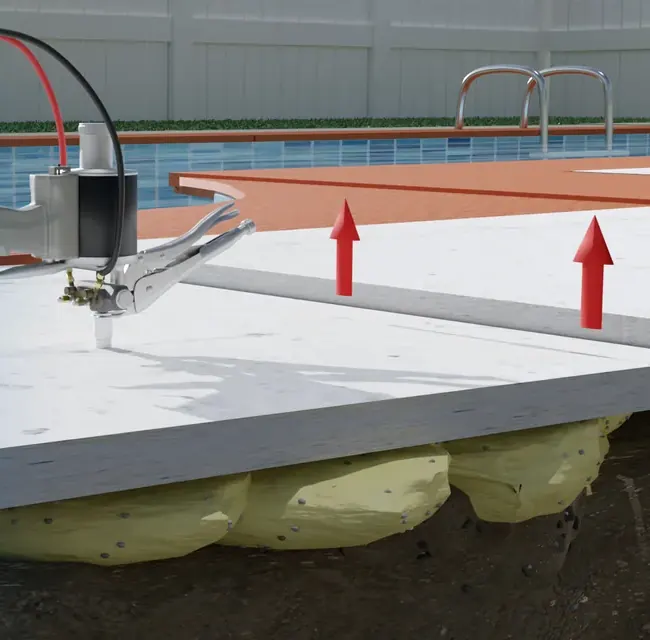
Hydrophobic structural foam injected under slabs to fill voids and lift driveways, sidewalks, patios and floors back to grade.
Product detailsExposed foam in barns, tanks and roofs needs a skin. Spray polyurea and elastomeric coatings add UV, impact and washdown resistance.
Product details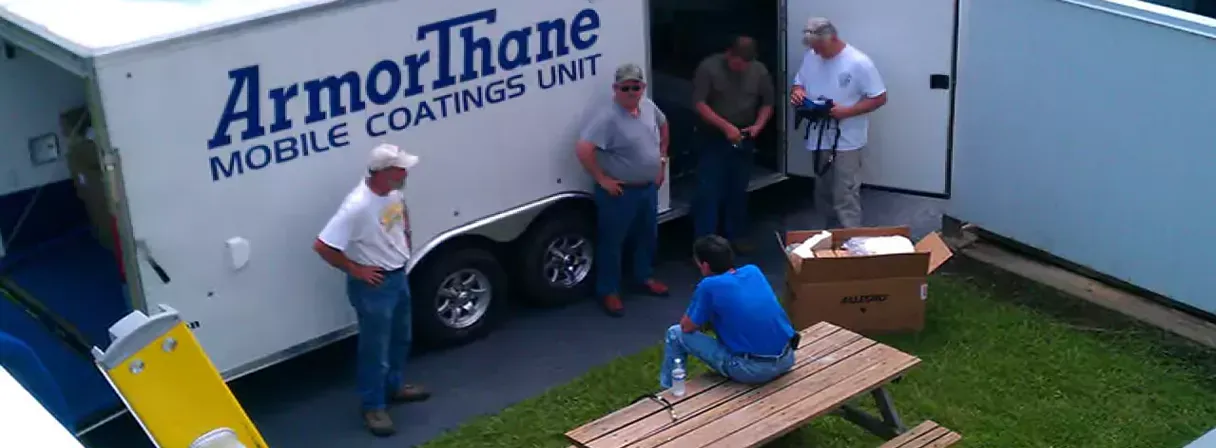 No franchise fee · No royalty
For entrepreneurs & contractors
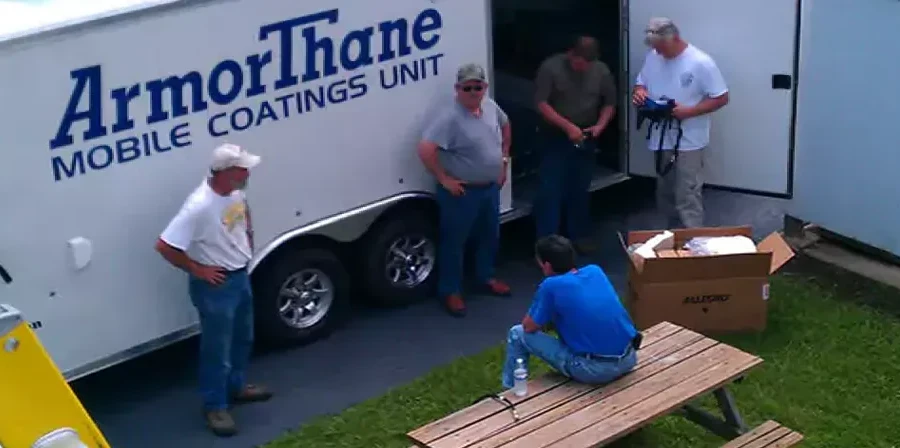
ArmorThane has been equipping independent applicators since 1989. They build the rig, supply the foam, train your crew and stay on the phone after you launch.
Job estimator
Spray foam is bought and sold by the board foot — one square foot, one inch thick. Size a job and see roughly how many ArmorFoam sets it takes.
Set yields use ArmorFoam's published coverage at perfect yield — about 5,000 board feet per set of 2 lb closed-cell and about 17,000 for 0.5 lb open-cell. Temperature, substrate, rig setup and technique all pull real-world yield lower.
Side by side
How spray foam stacks up against the two most common insulations.
| Closed-cell foam | Open-cell foam | Fiberglass batts | Blown cellulose | |
|---|---|---|---|---|
| Typical R per inch | ≈6–7 | ≈3.5–3.8 | ≈2.9–3.8 | ≈3.2–3.8 |
| Air barrier | Yes | Yes, at full depth | No | Slows air, doesn't stop it |
| Vapor retarder | At ≈1.5–2 in | No (vapor-open) | Only with a facer | No |
| Adds structural strength | Yes | No | No | No |
| OK below grade / wet areas | Yes | No | No | No |
| Settles or sags over time | No | No | Can sag | Settles |
| Installed cost | $$$ | $$ | $ | $ |
The Foam Journal
Equipment, training, licensing, insurance, pricing and finding the first customers — a practical roadmap for launching a spray foam insulation company, and…
Sunken driveways, walks and floor slabs can often be raised instead of replaced. How expanding polyurethane lifts concrete, how it compares to…
Basement walls lose heat and invite condensation. Why closed-cell foam bonded to the concrete beats a stud wall full of fiberglass, what…
Density, R-value, moisture and cost explained in plain language — then a location-by-location guide to which foam belongs in attics, walls, rim…
They do different jobs. Fiberglass slows heat but lets air move through it, so it depends on a separate air barrier. Spray foam slows heat and air-seals in the same layer, and closed-cell also slows moisture. Per inch, closed-cell foam carries roughly twice the R-value of batts. Foam costs more up front; it pays back fastest where air leakage and condensation are the real problems.
Closed-cell (about 2 lb density) for metal buildings, crawl spaces, basements, rim joists, tight cavities and anywhere moisture or strength matters. Open-cell (about 0.5 lb) for interior walls, deep wall bays and many attic roof decks where a vapor-open, lower-cost foam works. Our open- vs closed-cell guide walks through it location by location.
Properly installed spray foam is rigid or semi-rigid plastic that does not settle or sag, so it is generally expected to last for the life of the building. Exposed foam (roofs, barns) needs a protective coating that gets inspected and renewed over time.
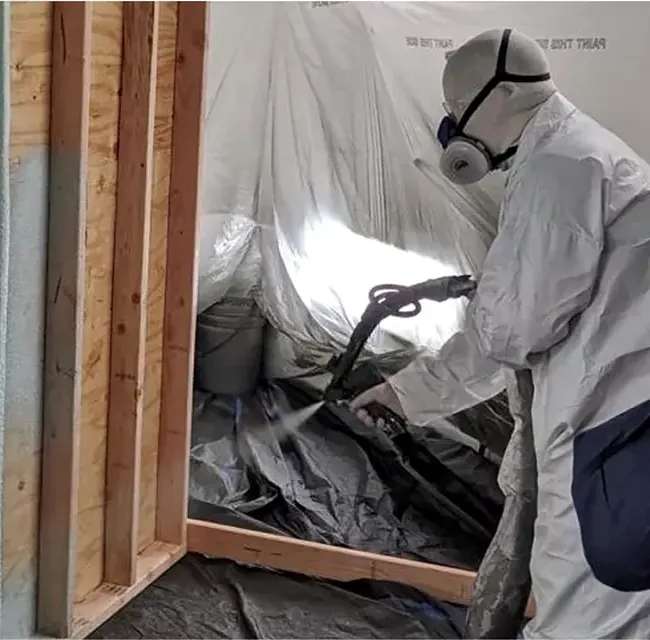
Small canned kits work for gaps and small areas. Whole-house and building-scale work uses heated, high-pressure proportioners, supplied-air respirators and training — the chemistry has to be mixed at the right ratio and temperature to cure properly. That is why most projects go to trained applicators.
In occupied spaces, building codes require foam plastic insulation to be separated from the interior by an approved thermal barrier, typically 1/2-inch gypsum board, unless the specific foam has been tested and approved otherwise. Some attics and crawl spaces allow an ignition barrier or a listed coating instead. Check the product evaluation report and your local code.
It is priced by the board foot (one square foot, one inch thick). Price depends on foam type, thickness, access, job size and region, so the best number is a real quote. The calculator above shows how many board feet a job is; an applicator can turn that into a price.
With three things: equipment (a proportioner, generator, compressor and heated hose, usually built into a trailer or box truck), material, and training. ArmorThane builds rigs, makes ArmorFoam open- and closed-cell foam, and trains new applicators through certification, with no franchise fee and no royalty. Tell us about your plans and they will walk you through it.
Foam Insulations is an applications resource built with ArmorThane USA, a Springfield, Missouri manufacturer of spray foam, polyurea and protective coatings since 1989. Requests sent through this site go to the ArmorThane team.
Get started
Whether you need a building insulated or you want to be the one spraying it, start here. Your request goes straight to ArmorThane.